
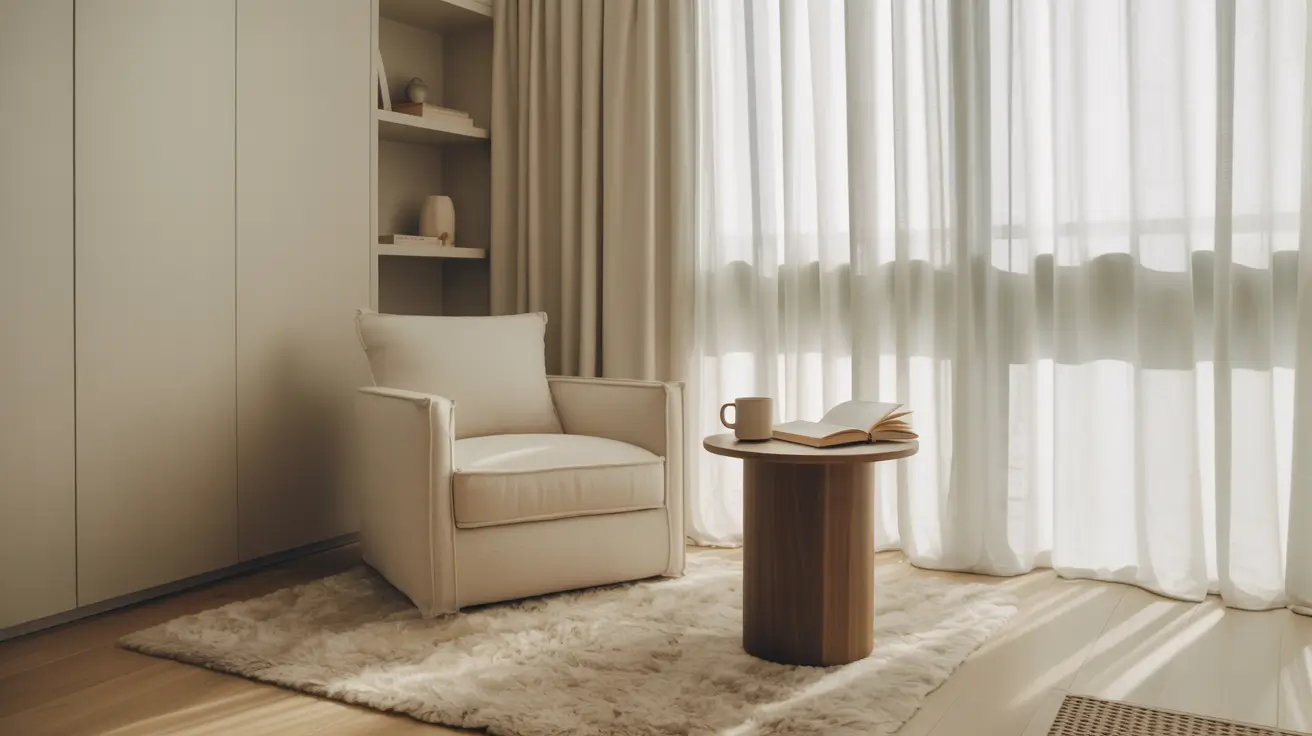
Homes have become loud.
Not in sound alone—but in color, clutter, stimulation, and expectation.
Quiet Design is a response to that noise.
It’s an approach to interiors that prioritizes calm over spectacle, comfort over chaos, and intention over excess. Not minimal for the sake of aesthetics. Minimal in the service of better living.
⸻
What Is Quiet Design?
Quiet Design focuses on reducing visual, acoustic, and cognitive noise inside a space.
It doesn’t mean empty rooms or bland interiors.
It means every element earns its place.
A Quiet Design home feels supportive. Restful. Easy to inhabit.
You notice it most in how the space behaves—not how loudly it presents itself.
⸻
Why Quiet Design Matters Right Now
Modern life is saturated with inputs:
• Screens everywhere
• Constant alerts
• Open-plan homes that echo and overwhelm
• Interiors designed for photos, not living
People aren’t looking for more stimulation.
They’re looking for relief.
Quiet Design answers that need.
It aligns with how people actually want to feel at home:
• Focused
• Rested
• Grounded
• Comfortable
In uncertain economic conditions, purchases tied to daily well-being outperform trend-driven décor. Quiet Design frames interiors as life improvements, not indulgences.
⸻
The Three Principles of Quiet Design
1. Acoustic Ease
Silence isn’t the goal. Balance is.
Quiet Design reduces harsh sound by using:
• Acoustic wall art
• Upholstered surfaces
• Rugs, drapery, and textured materials
• Furniture that absorbs rather than reflects sound
The result is a room that feels calmer the moment you enter it—even before you sit down.
⸻
2. Visual Restraint
Visual noise creates fatigue.
Quiet Design favors:
• Fewer objects, chosen well
• Muted, layered color palettes
• Natural materials with depth
• Negative space used deliberately
This isn’t about doing less.
It’s about editing better.
⸻
3. Sensory Rhythm
A good space changes gently through the day.
Quiet Design considers:
• Soft morning light
• Warm evening tones
• Subtle ambient sound
• Lighting that supports sleep and focus
The space adapts to you—not the other way around.
⸻
Quiet Design Is Not a Style
It’s a system.
Quiet Design can be modern, traditional, or transitional. What matters is how the room functions emotionally.
Common elements include:
• Wood, stone, plaster, linen, wool
• Matte finishes over gloss
• Rounded forms over sharp angles
• Furniture designed for use, not display
The aesthetic outcome is calm, but never cold.
⸻
How Quiet Design Changes Buying Decisions
Quiet Design reframes the question from:
“Does this look impressive?”
To:
“How will this make my life better?”
That shift affects everything:
• Lighting becomes about comfort, not brightness
• Art becomes acoustic, tactile, or grounding
• Furniture prioritizes posture, softness, and longevity
• Decorative objects serve a purpose beyond ornament
This leads to fewer purchases—but better ones.
And those are the pieces people keep.
⸻
Quiet Design in Practice
In a Quiet Design interior, you’ll often find:
• One statement piece instead of many accents
• Art that absorbs sound as well as attention
• Seating that invites you to stay
• Lighting that fades into the background while doing its job
The luxury isn’t obvious.
It’s felt.
⸻
Quiet Design as a Way of Living
Quiet Design isn’t about retreating from the world.
It’s about creating a place that restores you so you can engage with it better.
A quiet home:
• Improves sleep
• Reduces stress
• Supports focus and creativity
• Encourages presence
That’s not a trend. That’s a long-term shift.
⸻
Final Thought
The most powerful spaces don’t shout.
They listen.
Quiet Design isn’t about doing less design—it’s about doing the right design. The kind that lowers the volume, clears the mind, and makes everyday life feel more humane.
If design is meant to serve people, Quiet Design may be the most honest direction forward.
⸻
